

How to Clean FRP Panels: A Commercial Kitchen Cleaning Guide
Aug 18th 2026
Commercial kitchens run hot, wet, and fast, which is exactly why so many of them are lined with fiberglass reinforced plastic. Knowing how to clean FRP panels properly keeps walls looking new, protects the surface from grease buildup, and helps your kitchen pass health inspections without a second look. FRP is already one of the easiest wall materials to maintain, but a few smart habits make the difference between panels that last for decades and ones that dull, stain, or crack years ahead of schedule.
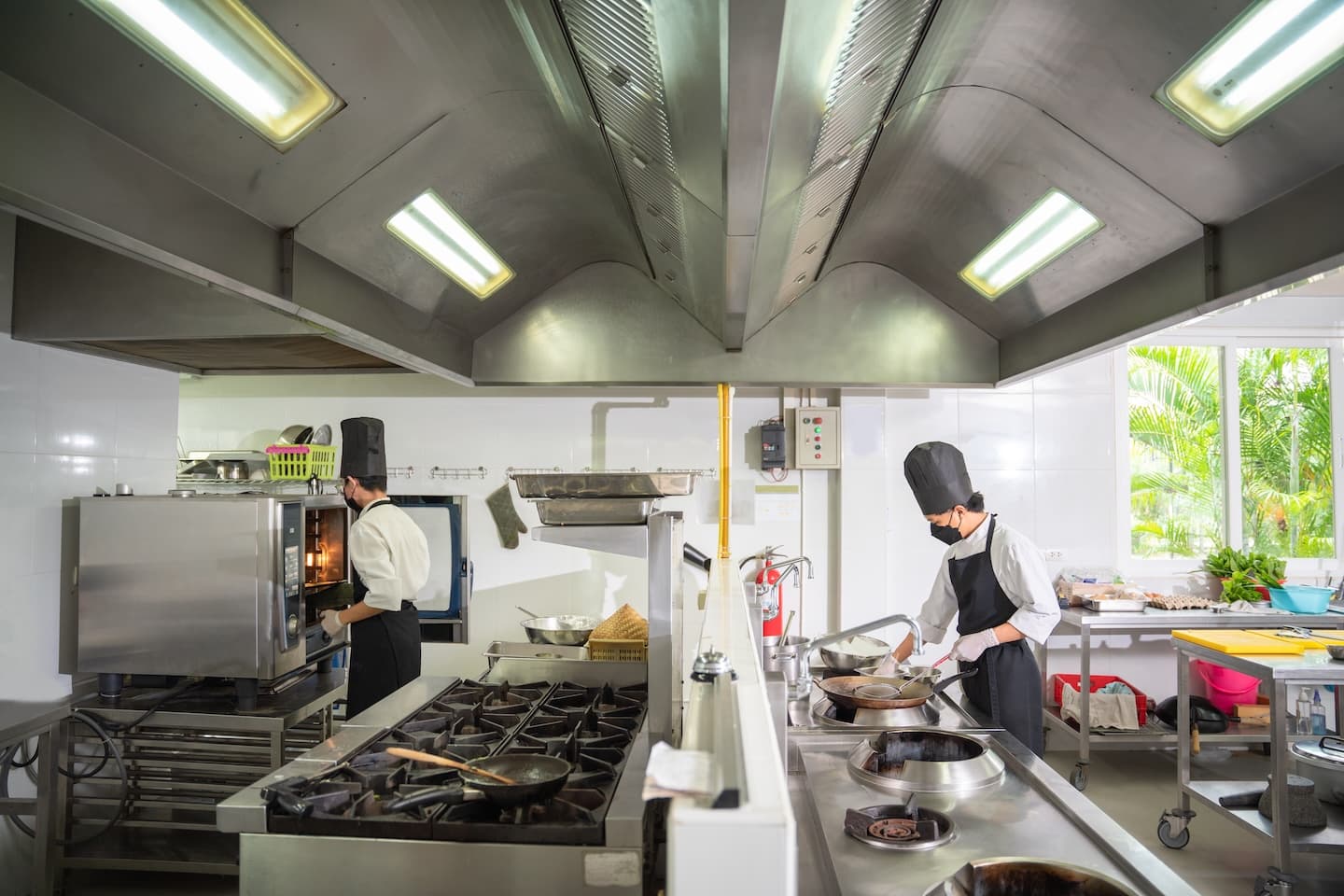
Whether you manage a restaurant, a hospital cafeteria, or a food processing facility, the cleaning routine below covers what your staff needs to know, from daily wipe-downs to the deep cleans that keep panels performing at their best.
Why FRP Panel Maintenance Matters in a Commercial Kitchen
FRP panels are popular in FRP wall panels installations specifically because they resist moisture, grease, and bacteria better than drywall, tile, or painted surfaces. That resistance is built into the material, but it isn't a substitute for regular care. Grease and food residue that sit too long can still work into seams and trim, and standing moisture near the floor line can eventually loosen adhesive if panels aren't wiped down.
Routine frp panel maintenance also matters for compliance. Health inspectors look closely at wall surfaces in prep areas, walk-in coolers, and dish pits, and a panel system that's kept clean and free of buildup makes those inspections go faster. Consistent cleaning also protects your investment. Panels that are properly maintained hold their finish, resist yellowing, and rarely need replacement, which keeps your kitchen looking professional for the life of the installation.
Daily Cleaning for Commercial Wall Panels
Most of the work involved in cleaning commercial wall panels happens in a few minutes at the end of each shift. A quick daily wipe-down prevents grease and food splatter from ever having the chance to set in.
For daily cleaning, kitchen staff should:
- Wipe panels with warm water and a mild dish soap or an approved kitchen degreaser, using a soft cloth or non-abrasive sponge
- Focus on areas behind cooking equipment, prep stations, and handwashing sinks, where splatter accumulates fastest
- Rinse with clean water to remove any soap residue that could attract dust or grime
- Dry panels with a clean towel, especially along seams and the base near the floor, to keep moisture from lingering
- Spot-check trim pieces and corners, since buildup tends to collect in these tighter spaces first
This routine takes only a few extra minutes but does most of the heavy lifting in keeping panels sanitary between deeper cleanings.
Deep Cleaning and Weekly Maintenance
On top of daily wipe-downs, most commercial kitchens benefit from a more thorough cleaning once a week, or more often in high-volume operations like fry stations or grill lines.
A weekly deep clean should include:
- Washing the full panel surface, floor to ceiling, with a degreaser formulated for grease-heavy environments
- Scrubbing seams, corners, and trim strips where grease and moisture tend to concentrate
- Checking caulking and trim for gaps or wear that could let moisture behind the panel
- Rinsing thoroughly and allowing panels to air dry before equipment is pushed back against the wall
- Inspecting for any panels that have loosened or shifted, which can happen over time near heavy equipment or high-traffic areas
If a panel does come loose or a seam starts to separate, it's worth addressing right away rather than waiting for the next scheduled maintenance. Waterloo Paneling's FRP adhesive products are built for exactly this kind of repair and reinstallation work in active kitchen environments.
What to Avoid When Cleaning FRP Panels
FRP is a durable material, but certain products and habits can shorten its lifespan or dull its finish over time. Kitchen staff should steer clear of:
- Abrasive scrub pads or steel wool, which can scratch the gel coat finish and create texture that traps grime
- Harsh solvents, bleach concentrations stronger than what's recommended, or ammonia-based cleaners, which can break down the surface finish
- Pressure washing at close range, which can force water behind seams and trim
- Letting standing water sit at the base of panels for extended periods, which can affect adhesive over time
Sticking to mild, non-abrasive cleaners and a consistent schedule is really all it takes to keep panels performing the way they're designed to.
FRP Panels in Food Service Settings
FRP panels for food service applications are held to a higher standard than panels used in back offices or storage rooms, since walls in prep and cooking areas need to meet health code requirements for smooth, non-porous, and clean surfaces. That's part of why FRP has become the default choice for kitchens, walk-ins, and dish rooms across the restaurant and food processing industries.
For kitchens that also need fire-rated protection near cooking lines, Waterloo Paneling's Class A fire-rated FRP panels meet stricter code requirements while still offering the same easy-to-clean surface. Choosing the right panel class up front, and maintaining it with the routine above, keeps a kitchen both compliant and easy to manage long term.
FAQ
How often should FRP panels be cleaned in a commercial kitchen?
A daily wipe-down handles most buildup, with a more thorough weekly cleaning to reach seams, trim, and corners.
Can I use bleach to clean FRP panels?
Diluted bleach solutions are generally safe for FRP, but strong concentrations or undiluted bleach can affect the finish over time. A mild degreaser is usually a better everyday choice.
Do FRP panels need to be sealed after cleaning?
No. FRP panels have a factory-applied gel coat finish that doesn't require sealing, which is part of why they're so low-maintenance compared to tile or painted walls.
Keeping FRP Panels Kitchen-Ready for Years to Come
A little consistency goes a long way with FRP. Daily wipe-downs, a weekly deep clean, and the right cleaning products will keep panels looking new and performing well for years, without adding much to a kitchen team's workload. For kitchens weighing panel options or planning a new installation, Waterloo Paneling's FRP installation team can help match the right panel class and finish to the demands of a commercial kitchen from the start.