


FRP vs. Stainless Steel Wall Panels: Which Is Right for Your Project?
Apr 10th 2026
Both FRP and stainless steel wall panels can satisfy health code requirements. But they are not interchangeable — and choosing the wrong one for your application will cost you far more than the price difference on the invoice.
If you’re specifying wall panels for a commercial kitchen, food processing facility, or institutional food service operation, you’ve almost certainly encountered both FRP (Fiberglass Reinforced Plastic) and stainless steel as candidate materials. Both are widely used, both meet basic food service sanitation requirements, and both are available at commercial scale.
But that surface-level similarity masks real differences in durability, hygiene performance, chemical resistance, heat tolerance, maintenance burden, and total cost of ownership over the actual service life of the installation. The right choice between FRP and stainless steel depends on your specific application — and getting it wrong in either direction is an avoidable and expensive mistake.
At Waterloo Paneling, we supply both materials and have no financial interest in steering you toward one or the other. What we do have is years of hands-on experience watching how both materials perform in real commercial kitchen environments — which gives us a clear view of when each one is the right call. This guide gives you the honest comparison.
What Is FRP? A Quick Overview
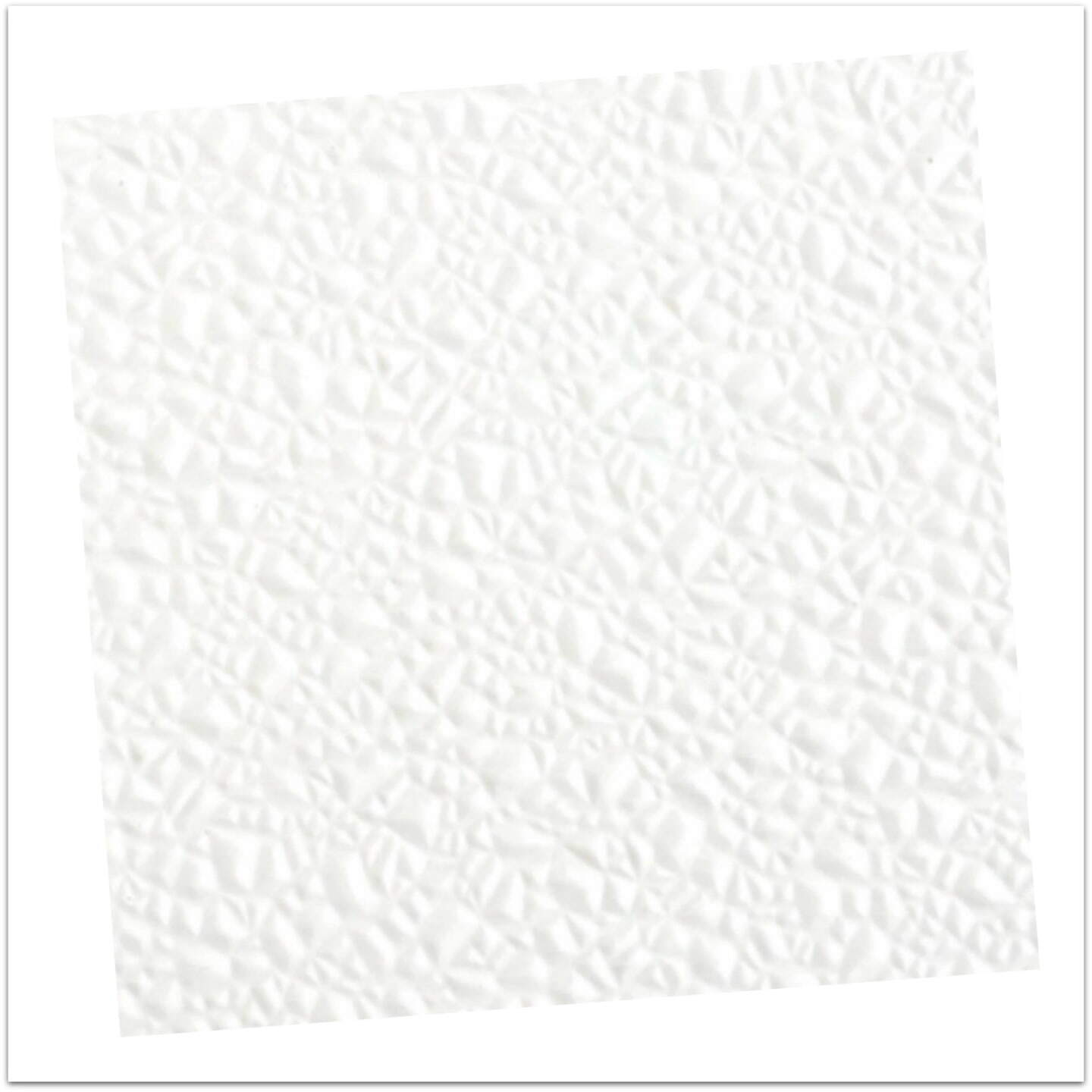
FRP stands for Fiberglass Reinforced Plastic. It is a composite material made from a polyester or vinyl ester resin matrix reinforced with glass fibers, typically manufactured as flat panels with a smooth or lightly textured gel coat surface. FRP panels are rigid, lightweight, and factory-produced in standard sheet sizes — most commonly 4’ x 8’ and 4’ x 10’.
FRP wall panels entered food service and commercial kitchen applications in the 1970s and 1980s as a lower-cost alternative to stainless steel cladding. They gained rapid adoption in lower-budget institutional food service environments — school cafeterias, quick-service restaurant kitchens, grocery store delis — where the economics of stainless steel were difficult to justify.
Today, FRP panels are specified in a wide range of applications from institutional kitchens to cold storage rooms to food processing utility areas. They are not one-size-fits-all, however — and understanding their real-world performance limitations is essential to making an informed specification decision.
What Is Stainless Steel? A Quick Overview
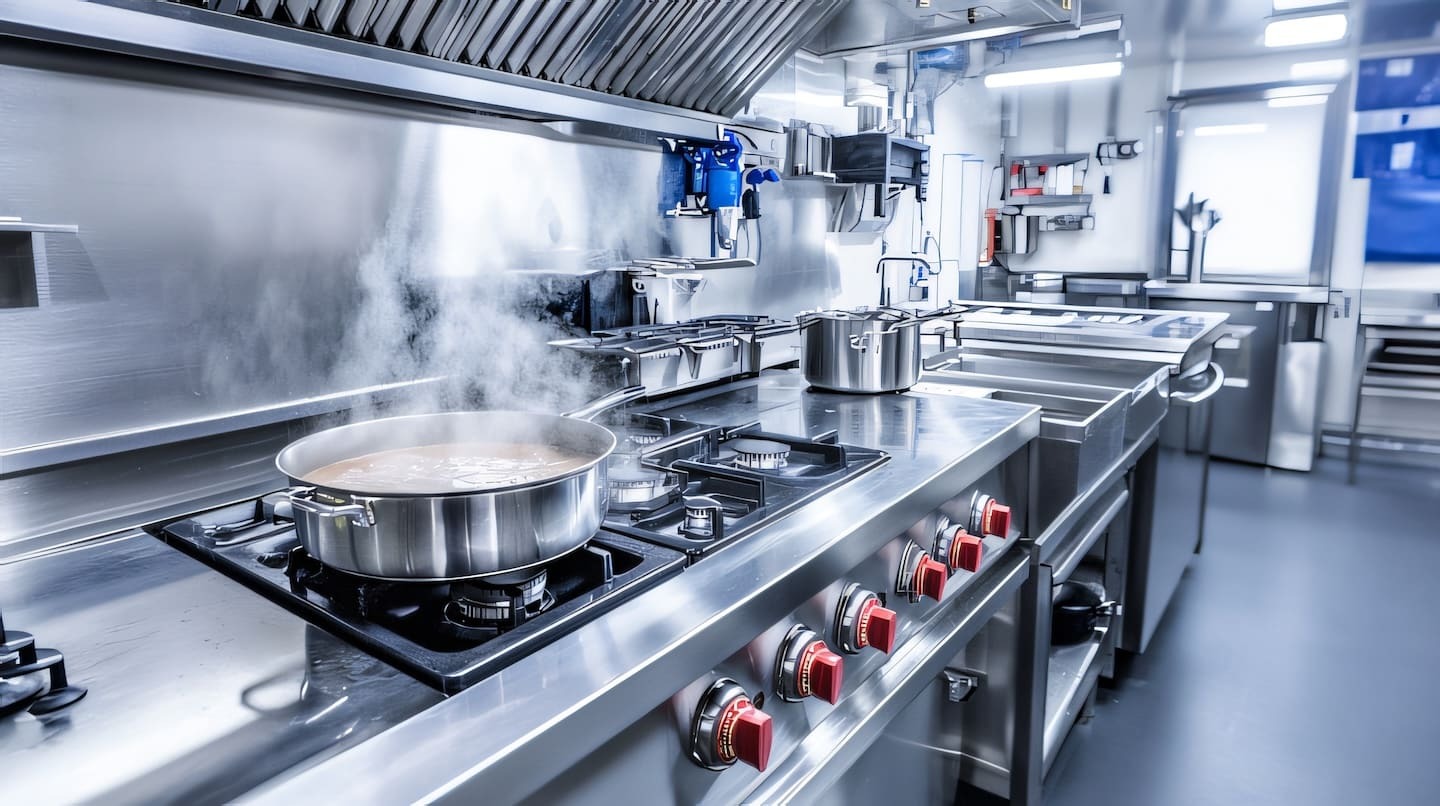
Stainless steel wall panels are flat or formed sheets of food-grade steel alloy — typically Grade 304 or Grade 316 — that are mechanically or adhesively fastened to wall surfaces to create a seamless, non-porous, and durable cladding layer. The most commonly specified configuration for commercial kitchen applications is 16-gauge Grade 304 stainless steel in a #4 brushed finish.
Stainless steel has been the material of choice for professional kitchen surfaces for over a century. Its combination of non-porous hygiene, corrosion resistance, heat tolerance, impact durability, and regulatory compliance makes it the benchmark against which all other commercial kitchen wall materials are measured.
The primary barrier to stainless steel adoption in some applications is upfront cost — it is more expensive than FRP on a per-square-foot installed basis. Whether that premium is justified depends entirely on the demands of your specific application over the full service life of the installation.
Hygiene & Sanitation: The Most Important Comparison
Stainless Steel
Stainless steel’s non-porous, seamless surface is the gold standard for food service sanitation. There are no pores, no grain structure, and no surface irregularities where bacteria, mold, or grease can accumulate even after years of daily use. The surface can be sanitized completely with standard commercial cleaners, including high-concentration chlorine-based sanitizers (with Grade 316) and quaternary ammonium compounds.
When properly installed with NSF-listed silicone sealant at all seams and penetrations, a stainless steel wall installation creates a continuous, fully cleanable surface with no hidden harborage points. This is why stainless steel is the specification of choice in Hazard Analysis Critical Control Point (HACCP) plans and high-risk food preparation environments.
FRP
FRP panels have a smooth gel coat surface that is non-porous when new and satisfies basic health code requirements for food-splash surfaces. However, FRP’s sanitation performance degrades over time in ways that stainless steel does not:
- Surface crazing and micro-cracking — Over time, particularly in high-heat and high-chemical-exposure environments, the gel coat surface of FRP panels can develop fine surface cracks (crazing) that create microscopic harborage points for bacteria and grease that cannot be fully cleaned with standard protocols.
- Impact damage — FRP panels crack and chip under impact from carts, equipment, and cookware. Once the smooth gel coat is breached, the underlying fiberglass matrix is exposed — a porous, rough surface that is extremely difficult to sanitize and that many health departments will cite as a violation.
- Chemical surface degradation — Repeated exposure to strong degreasers and sanitizers accelerates the degradation of the FRP gel coat surface over time, increasing surface porosity and cleaning difficulty.
The practical conclusion: FRP is a serviceable sanitation surface when new in low-to-moderate risk areas. In high-risk food preparation zones, and over a multi-year service period, stainless steel maintains a consistently superior sanitation profile.
Durability & Impact Resistance
Stainless Steel
16-gauge stainless steel wall panels are highly impact-resistant. They flex slightly under impact rather than cracking or shattering, and minor dents from routine cart and equipment contact do not compromise the panel’s sanitation integrity or structural performance. The surface remains cleanable and compliant even with minor cosmetic damage.
Under extreme point impact, stainless steel can dent. However, a dented stainless panel is still a hygienic, compliant wall surface. A cracked FRP panel is not.
FRP
FRP panels are rigid and brittle by comparison. Under significant impact — a heavy cart corner, a dropped piece of equipment, a forceful collision — FRP panels crack, chip, and can delaminate from the substrate. Once cracked, an FRP panel is compromised from both a sanitation and a structural standpoint and typically requires replacement rather than repair.
In high-traffic commercial kitchen environments — busy restaurant lines, institutional cafeterias, food processing facilities with equipment movement — FRP panel replacement is a recurring maintenance cost that significantly erodes the upfront cost advantage over the service life of the installation.
Chemical & Heat Resistance
Stainless Steel
Grade 304 stainless steel resists the full range of commercial kitchen cleaning chemicals: heavy-duty degreasers, quaternary ammonium sanitizers, citric acid-based cleaners, and standard-concentration chlorine-based sanitizers. Grade 316 extends that resistance to high-concentration chloride environments. Stainless steel does not off-gas, warp, blister, or degrade under high-heat conditions near cooking equipment. It is non-combustible and classified as a Class A surface material for fire resistance.
FRP
FRP has reasonable chemical resistance to many standard commercial cleaning products but has meaningful limitations:
- Strong solvents and highly alkaline cleaners can attack the polyester resin matrix of lower-grade FRP panels, causing surface softening, discoloration, and accelerated degradation.
- FRP is combustible and has a significantly lower fire resistance rating than stainless steel. Most FRP panels are classified as Class C or Class B surface materials — not Class A. This matters for fire code compliance near cooking equipment and open-flame heat sources.
- FRP has a lower heat deflection temperature than stainless steel. In close proximity to cooking equipment — fryers, ovens, open-flame ranges — FRP panels can warp, soften, and off-gas at elevated temperatures. Minimum clearance requirements from heat sources are typically greater for FRP than for stainless steel.
- Vinyl ester resin FRP panels offer significantly better chemical and heat resistance than standard polyester resin panels and are the appropriate specification for more demanding applications where FRP is still the preferred material.
Installation
FRP Installation
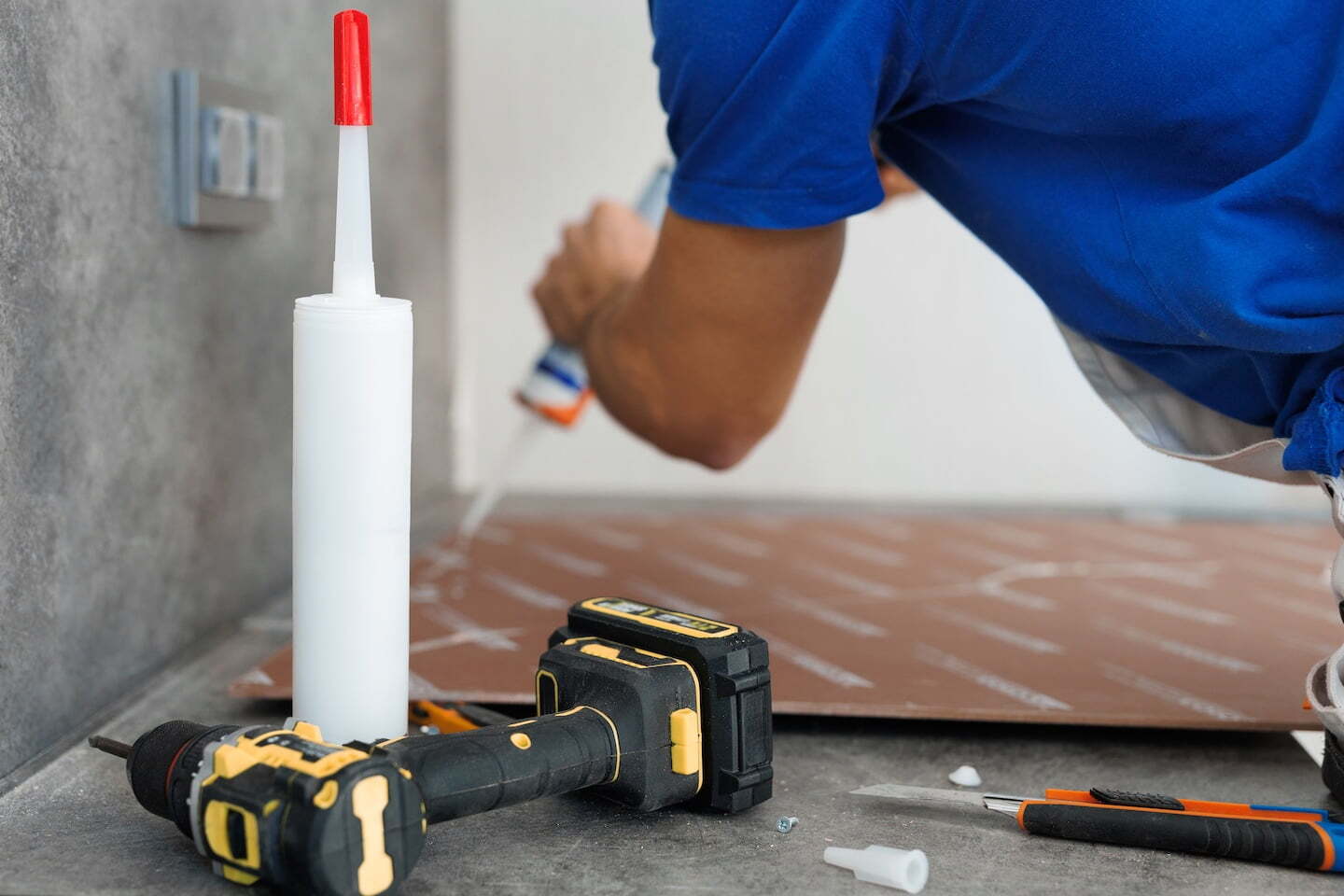
FRP panels are lightweight and can be cut with standard woodworking tools — a circular saw with a fine-tooth blade, a jigsaw, or a router. They are typically installed with panel adhesive (construction mastic) applied to the back of the panel and pressed onto the wall substrate. Mechanical fasteners (screws with decorative caps) are used at edges and penetrations. Installation is within the skill set of a general contractor or experienced handyman and does not require specialized fabrication knowledge.
The lower installation complexity of FRP — lighter weight, easier cutting, no specialized metalworking tools required — contributes to its lower installed cost relative to stainless steel. In budget-constrained projects where a qualified but non-specialized contractor is performing the installation, FRP can be a practical choice.
Stainless Steel Installation
Stainless steel panels are heavier and require metal-cutting tools for field trimming — a nibbler, metal-cutting blade, or angle grinder with a cut-off wheel. Panel edges require deburring. Installation with a combination of panel adhesive and mechanical fasteners is standard practice, but the process demands more precision and experience than FRP installation to achieve a professional, code-compliant result.
For best results, stainless steel wall panel installation should be performed by a contractor experienced with metal panel systems. The additional labor cost is real, but it represents a one-time investment in an installation that is expected to last 20–30 years without requiring replacement.
Seam Sealing for Both Materials
Both FRP and stainless steel installations require all seams, gaps, and wall penetrations to be sealed with an appropriate food-safe sealant. For stainless steel, NSF-listed silicone sealant is the standard. For FRP, manufacturer-specified panel sealant should be used. Unsealed seams are among the most common commercial kitchen health code violations regardless of panel material — this step is non-negotiable for either material.
Cost Comparison: Upfront vs. Total Cost of Ownership
Upfront Installed Cost
FRP panels have a lower upfront installed cost than stainless steel across the board. As a general benchmark for U.S. commercial kitchen installations in 2026:
- FRP panels (installed): approximately $5 – $12 per square foot, depending on panel grade, region, and installation complexity
- Stainless steel panels (installed): approximately $10 – $22 per square foot for 16-gauge Grade 304 in a #4 brushed finish, depending on custom sizing, region, and installation complexity
The upfront cost gap is real and meaningful, particularly for large installations. It’s the primary reason FRP gained adoption in budget-constrained institutional and quick-service food service environments.
Total Cost of Ownership
The upfront cost comparison tells only part of the story. Total cost of ownership over the actual service life of the installation tells a very different one:
- Lifespan — FRP panels in active commercial kitchen environments typically require replacement within 10–15 years due to impact damage, surface degradation, and health inspection failures. Stainless steel installations routinely last 20–30 years with no structural replacement required.
- Impact damage replacement — In high-traffic environments, FRP panel replacement after cart or equipment impact is a recurring cost. A cracked stainless panel is a rarity by comparison — and a dented panel remains structurally and sanitarily compliant without requiring replacement.
- Cleaning labor — As FRP surfaces age and develop micro-crazing, the time required to clean them to a satisfactory standard increases. Stainless steel maintains a consistent cleaning time requirement throughout its service life.
- Health inspection risk — Failed health inspections due to cracked or degraded FRP panels carry real operational costs: re-inspection fees, temporary closure risk, and remediation costs. Stainless steel’s consistent performance eliminates this category of risk.
For applications where the full 15–20 year cost horizon is considered, stainless steel’s higher upfront investment frequently delivers a lower total cost of ownership than FRP — particularly in high-traffic, high-chemical, or high-risk food preparation zones.
Health Code & Regulatory Compliance
Stainless Steel
NSF/ANSI 2-listed Grade 304 or 316 stainless steel panels satisfy food equipment surface requirements in virtually every U.S. jurisdiction without ambiguity. Stainless steel’s compliance track record with local health departments is as strong as any wall panel material available. Inspectors recognize it immediately, documentation is straightforward, and there is essentially no jurisdiction in which properly installed stainless steel wall panels will fail a health inspection on material grounds.
FRP
FRP panels can satisfy health code requirements for food-splash surfaces when properly installed and in good condition. Many jurisdictions explicitly list FRP as an approved wall material for commercial food service areas. However, there are important compliance nuances:
- Condition-dependent compliance — FRP’s compliance is contingent on the panel being in good condition. A cracked, chipped, or severely crazed FRP panel does not comply — and health inspectors increasingly flag aging FRP installations. Stainless steel maintains compliance even with minor cosmetic wear.
- Fire code considerations — FRP’s lower fire resistance rating (typically Class B or C vs. Class A for stainless steel) can create compliance complications near open-flame cooking equipment. Verify local fire code requirements for your specific installation before specifying FRP in cooking line adjacency.
- Jurisdiction variability — A small number of health departments have moved toward requiring seamless or near-seamless wall surfaces in high-risk food prep zones, which can disadvantage FRP installations with visible panel joints and sealant lines. Verify local requirements before specifying either material.
When to Choose Each Material: The Decision Framework

Choose Stainless Steel When…
- The zone is a high-risk food preparation area: cooking line, active prep area, dishwashing zone, or cook-chill production area
- The installation is adjacent to open-flame or high-heat cooking equipment where FRP’s fire resistance rating is a compliance concern
- The facility operates under HACCP protocols or third-party food safety audits that emphasize surface hygiene performance
- The installation must meet NSF/ANSI 2 food equipment surface standards with no ambiguity
- The environment involves high-concentration cleaning chemicals, chloride-rich sanitizers, or particularly aggressive cleaning protocols
- The project budget allows for a 15–30 year service life calculation rather than a lowest-upfront-cost decision
- The facility is a high-volume, high-traffic operation where panel impact damage from carts and equipment is a regular operational reality
- The aesthetic standard of the facility demands the professional, industry-standard appearance of stainless steel
FRP May Be the Right Choice When…
- The application is a lower-risk, lower-traffic zone: dry storage room, utility corridor, back-of-house prep area with minimal cooking or chemical exposure
- The project budget is genuinely constrained and the full-lifecycle cost analysis still favors FRP for the specific application
- The installation is in an area where panel replacement every 10–15 years is operationally and economically acceptable
- The contractor performing the installation lacks specialized metalworking experience and FRP’s simpler installation requirements are a practical advantage
- The facility is a temporary or short-term-lease location where long-term investment in stainless steel cannot be justified
- The local health code explicitly approves FRP for the specific zone and fire code requirements are satisfied by the panel specification
The Zone-Based Approach: Using Both Materials
Many well-designed commercial kitchen projects use both materials strategically — stainless steel in the highest-risk, highest-traffic zones, and FRP in lower-risk peripheral areas. A common and sensible approach:
- Cooking line, prep, and dishwashing walls — Stainless steel, 16-gauge Grade 304, #4 brushed finish
- Walk-in cooler and freezer interiors — Stainless steel or FRP (both perform well in this lower-impact, lower-chemical environment; stainless is preferred for longevity)
- Dry storage rooms and utility corridors — FRP is a reasonable choice where sanitation demands and traffic are lower
- Back-of-house office or non-food areas — FRP or painted drywall, depending on the specific environment
This zone-based approach allows the project budget to be directed toward stainless steel where its performance advantages matter most, while using FRP to reduce costs in areas where its performance limitations are less consequential.
Frequently Asked Questions
Is FRP or stainless steel better for commercial kitchens?
For active food preparation zones — cooking lines, prep areas, dishwashing zones — stainless steel is the better choice in almost every meaningful performance dimension: hygiene over time, impact durability, chemical resistance, heat tolerance, fire compliance, and total cost of ownership over a 15–30 year service life. FRP is a reasonable choice for lower-risk, lower-traffic peripheral areas where its lower upfront cost can be justified.
How long do FRP wall panels last in a commercial kitchen?
In active commercial kitchen environments — regular impact exposure, daily chemical cleaning, high heat proximity — FRP panels typically require replacement within 10–15 years. In lower-traffic, lower-chemical-exposure areas such as dry storage rooms or utility corridors, FRP can last longer. By comparison, properly installed stainless steel wall panels in similar active kitchen environments routinely last 20–30 years without structural replacement.
Can FRP panels pass a health inspection?
Yes — FRP panels in good condition can and do pass health inspections in most U.S. jurisdictions. The compliance concern is condition-dependent: an FRP panel that is cracked, chipped, or surface-crazed does not comply and will be cited. Stainless steel maintains compliance even with minor cosmetic wear, giving it a more consistent inspection track record over the service life of the installation.
Is stainless steel harder to install than FRP?
Yes — stainless steel installation requires more experience and specialized tools than FRP. FRP can be cut with standard woodworking tools and installed by a general contractor. Stainless steel requires metal-cutting tools and more installation precision. The labor cost difference is real, but it is a one-time cost for an installation expected to last 20–30 years. Choosing a qualified installer is important for stainless steel to achieve a professional, code-compliant result.
What is the fire rating difference between FRP and stainless steel wall panels?
Stainless steel is non-combustible and classified as a Class A surface material — the highest fire resistance rating. Most standard FRP panels are classified as Class B or Class C. This difference matters for fire code compliance in zones adjacent to open-flame cooking equipment, where local fire codes may require Class A wall surfaces within specified distances of heat sources. Always verify local fire code requirements before specifying FRP near cooking equipment.
Can I mix FRP and stainless steel panels in the same kitchen?
Yes, and this is often the most practical approach. Using stainless steel in high-risk, high-traffic zones — cooking lines, prep areas, dishwashing — and FRP in lower-risk peripheral areas allows the project budget to be allocated where performance matters most. Ensure a clear visual and physical transition between the two materials, verify that both meet local health code requirements for their respective zones, and use appropriate sealant for each material type at all seams.
Not Sure Which Wall Panel Material Is Right for Your Project?
The FRP vs. stainless steel decision is not one-size-fits-all — it depends on your specific zones, budget, operational demands, and service life expectations. Making the right call upfront saves significantly in replacement costs, maintenance labor, and inspection risk over the life of your facility.
At Waterloo Paneling, we supply both FRP and stainless steel wall panels and have the experience to help you determine the right material for every zone of your project. We supply mill-certified Grade 304 and 316 stainless steel panels in standard and custom sizes, with full NSF documentation — and we’re happy to walk through your specific application to find the specification that makes the most sense.
► Talk to a Waterloo Paneling Specialist About Your Project ◄
Contact our team to discuss your application, request material samples, or get a custom quote for your commercial kitchen or food service wall panel installation.